
Candidacy
Dental Implants for Seniors
No upper age limit. What actually matters: bone, medical control, and hygiene capacity. The full picture for patients in their 70s and 80s.
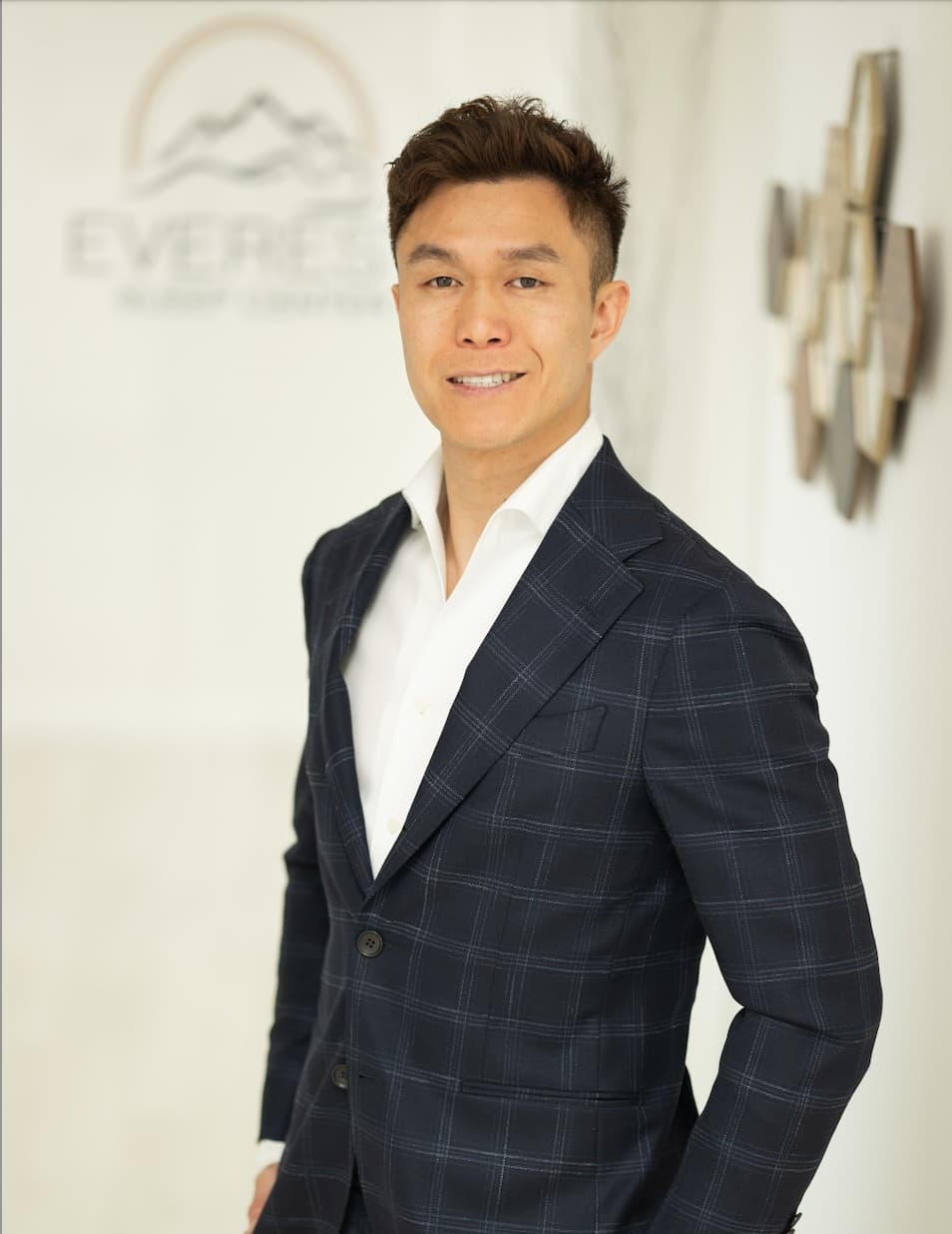
Dr. Henry Qiu, DDS
UCLA Implant FacultyUpdated 2026-05-13
01
Age alone is not the disqualifier
We routinely place implants in patients in their 70s and 80s. There is no upper age limit. What matters is overall medical health, bone quality, and the patient's capacity to maintain hygiene around the implants long-term.
A healthy, active 85-year-old is a better candidate than a sedentary 55-year-old with uncontrolled diabetes. The 5-year survival of implants in patients over 80 is essentially the same as in patients in their 50s in well-controlled studies.
02
What actually matters
Bone quality and quantity. Long-term tooth loss often means significant bone resorption. CT planning shows us exactly what is available. Grafting and sinus lifts make placement possible for most patients. We have restored full mouths in patients who had been in dentures for decades.
Controlled medical conditions. Diabetes, hypertension, heart disease — none are disqualifiers when controlled. We coordinate with your physician when needed and screen for medication interactions (especially blood thinners and bisphosphonates).
Hygiene capacity. Implants require daily home care and twice-yearly professional cleanings. Patients with significant cognitive decline or limited manual dexterity need a caregiver who can help with hygiene. We discuss this realistically at the consult.
03
Common senior concerns we hear
"I'm too old to spend on this." Implants last 25+ years on average. A 70-year-old is well-positioned to enjoy that. We have patients in their 70s who tell us it was the best investment they made in their last decade — they regret only not doing it 10 years earlier.
"What if I don't make it to year 5?" Statistical life expectancy at 70 is 14–16 more years, at 80 it is 8–10 more years. The math of implants over dentures usually works even at age 80. Beyond that, the day-to-day quality difference is the bigger consideration.
"Will surgery be harder at my age?" Recovery is similar to any age in healthy patients. We use IV sedation, monitor continuously, and adjust pain medication for kidney and liver function. We have not had a senior patient unable to tolerate the procedure in years.
04
Medical coordination for seniors
Blood thinners. Coumadin (warfarin), Eliquis, Xarelto, Plavix — all can be managed around implant surgery. We coordinate with your cardiologist on hold protocols. Most do not require stopping the medication entirely.
Bisphosphonates. Oral bisphosphonates (Fosamax, Actonel) are generally safe — millions of patients on these have had successful implants. IV bisphosphonates (Zometa, Aredia) used for cancer treatment are a stronger concern; we discuss timing with your oncologist.
Cardiac conditions. Most are not a barrier. We pre-medicate with antibiotics for prosthetic heart valves, recent endocarditis, or specific conditions per AHA protocol. Pacemakers and stents do not affect implant surgery.
05
Transitioning from dentures
Long-term denture wearers often arrive with significant bone loss, but this is rarely a disqualifier. Grafting, sinus lifts, and tilted posterior implants let us place six anchor points in over 90% of denture patients we see.
All-on-6 is the answer for full denture patients at 5D Smiles — six implants per arch supporting a fixed zirconia bridge. We do not place All-on-4: a table on four legs falls when one leg slips, and six holds. The price is $20,000 per arch all-inclusive, with bone grafting and sinus lifts built in rather than added on. The day-to-day life change is dramatic: no more adhesive, no more removing them at night, no more anxiety about slipping during a meal or a kiss.
06
What to bring to your consult
A list of your current medications. Your physician's contact information if you have multiple conditions. Your Medicare card and Medicare Advantage card if applicable. Any prior dental records or imaging. A family member or friend if you would like a second set of ears.
The $145 consult is 45 minutes with Dr. Qiu, a 3D CBCT scan, and an itemized written treatment plan with exact pricing. Fully refundable as a credit toward treatment if you book.
Keep reading