
Candidacy
Am I a Candidate for Dental Implants?
About 90% of adults missing teeth qualify. The factors that actually matter — and what to do if you've been told no elsewhere.
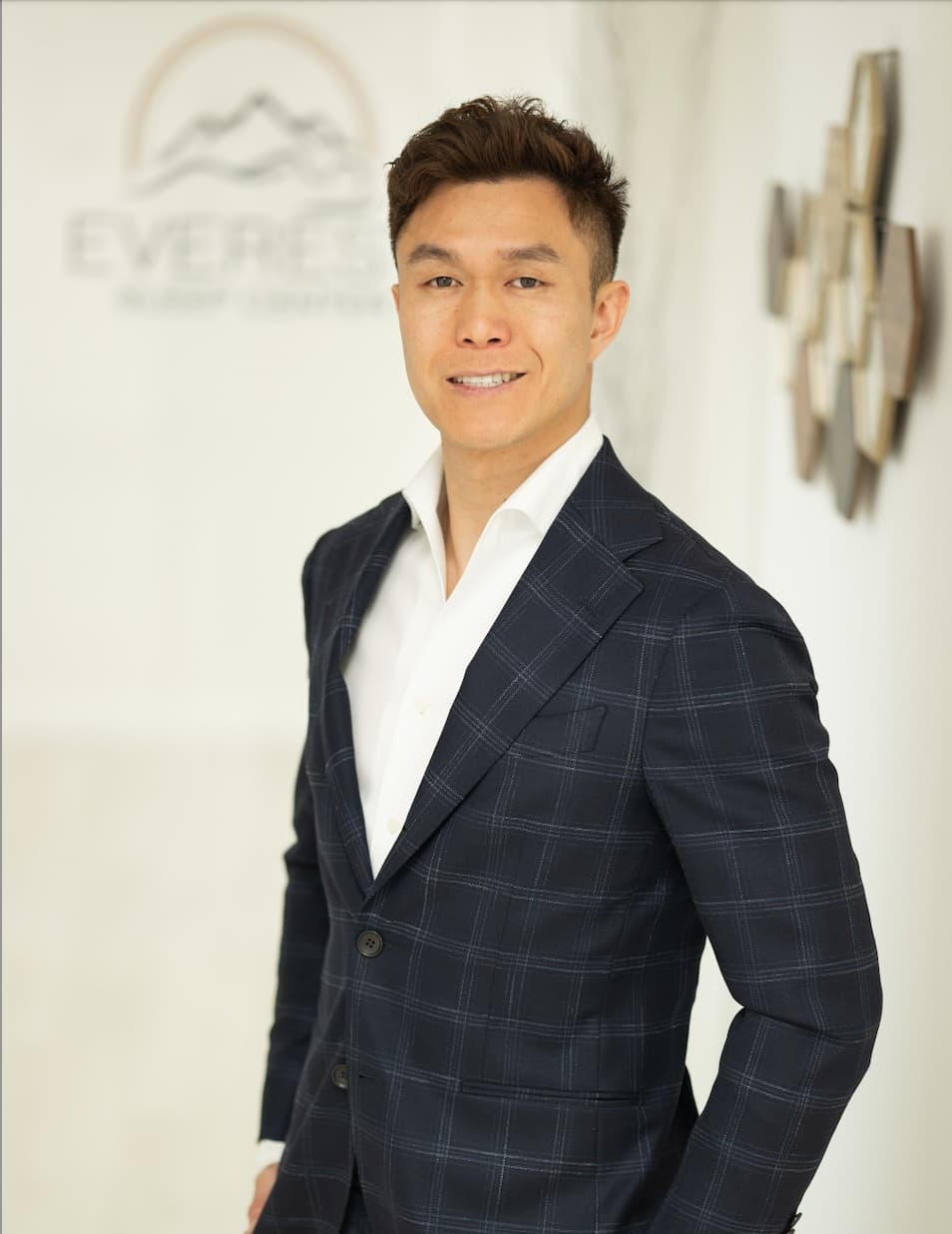
Dr. Henry Qiu, DDS
UCLA Implant FacultyUpdated 2026-05-13
01
The short answer
About 90% of adults missing one or more teeth are good candidates for implants. The factors that actually matter are bone density at the implant site, controlled medical conditions (especially diabetes and osteoporosis), absence of active infection, and a willingness to stop smoking around surgery.
The 10% who are not candidates fall into a few specific categories: uncontrolled diabetes (A1C above 8), active IV bisphosphonate therapy, recent head-and-neck radiation, and certain immunosuppressive states. Even most of these can become candidates with medical coordination.
If you have been told no by another practice, it is almost always because they don't perform the bone grafting or sinus-lift work that would make you a candidate. Get a second opinion before accepting that answer.
02
Do you have enough bone?
This is the most common disqualifier — and the most fixable. Once a tooth is extracted, the jawbone begins to shrink. After five years without a replacement, the bone at that site is often too thin or too short for a standard implant.
We confirm this with a 3D CBCT scan at your $145 consult. If the bone is inadequate, we can almost always rebuild it. Particulate bone grafts, block grafts, sinus lifts, and ridge expansions add 1–6 months to the timeline but make implants possible for over 95% of patients who have been told no.
Dr. Qiu trained at UCLA in advanced bone grafting techniques and has restored over 200 patients who were told they "didn't have enough bone" by other offices. Bring any previous CBCT — we will review it at your consult.
03
Your medical history
Diabetes. Controlled diabetes (A1C under 7) does not significantly affect implant success. Uncontrolled diabetes (A1C above 8) impairs healing and roughly doubles failure risk. We coordinate with your endocrinologist before scheduling.
Osteoporosis. Oral bisphosphonates (Fosamax, Actonel) are generally safe — millions of patients with these prescriptions have had successful implants. IV bisphosphonates (Zometa, Aredia) are a stronger concern; we discuss timing with your oncologist.
Heart conditions. Most heart conditions are not a barrier. We pre-medicate with antibiotics for prosthetic heart valves, recent endocarditis, or specific congenital conditions per the American Heart Association protocol.
04
Smoking and vaping
Smoking roughly doubles implant failure rates. The mechanism is well understood: nicotine constricts blood vessels at the surgical site, reducing the oxygen and growth factors that the integrating bone needs.
We ask smoking patients to stop for two weeks before surgery and eight weeks after. Nicotine replacement (patches, gum) carries the same vasoconstriction risk, so we recommend abstinence rather than substitution during the window.
If you cannot stop, the implant can still succeed — we just want you to make the choice with eyes open on the higher risk. Vaping appears similarly disruptive based on current evidence and we treat it the same way.
05
Are you too young or too old?
Too young: We do not place implants in patients whose jaws are still growing — typically before age 17 in females and 19 in males. The jaw continues to grow after the rest of the body has finished, and an implant placed early will end up in the wrong vertical position.
Too old: There is no upper age limit. We routinely place implants in patients in their 70s and 80s. What matters is overall medical health and bone quality, not chronological age. An active 85-year-old with controlled blood pressure is a better candidate than a sedentary 55-year-old with uncontrolled diabetes.
06
What to do if you've been told no
Get a second opinion from a specialist who performs the full range of bone grafting and sinus-lift procedures. General dentists who refer implant surgery to specialists may not be aware of what advanced techniques can do for a difficult case.
Bring any imaging you have — panoramic X-ray, CBCT, periapical films. Bring a list of your medications and any past surgical reports. The more we know going in, the more useful the $145 consult will be.
The consult itself is 45 minutes with Dr. Qiu and includes a new CBCT scan. You leave with an itemized treatment plan, exact pricing in writing, and a clear answer on whether implants are possible. The $145 is fully refundable when you book.